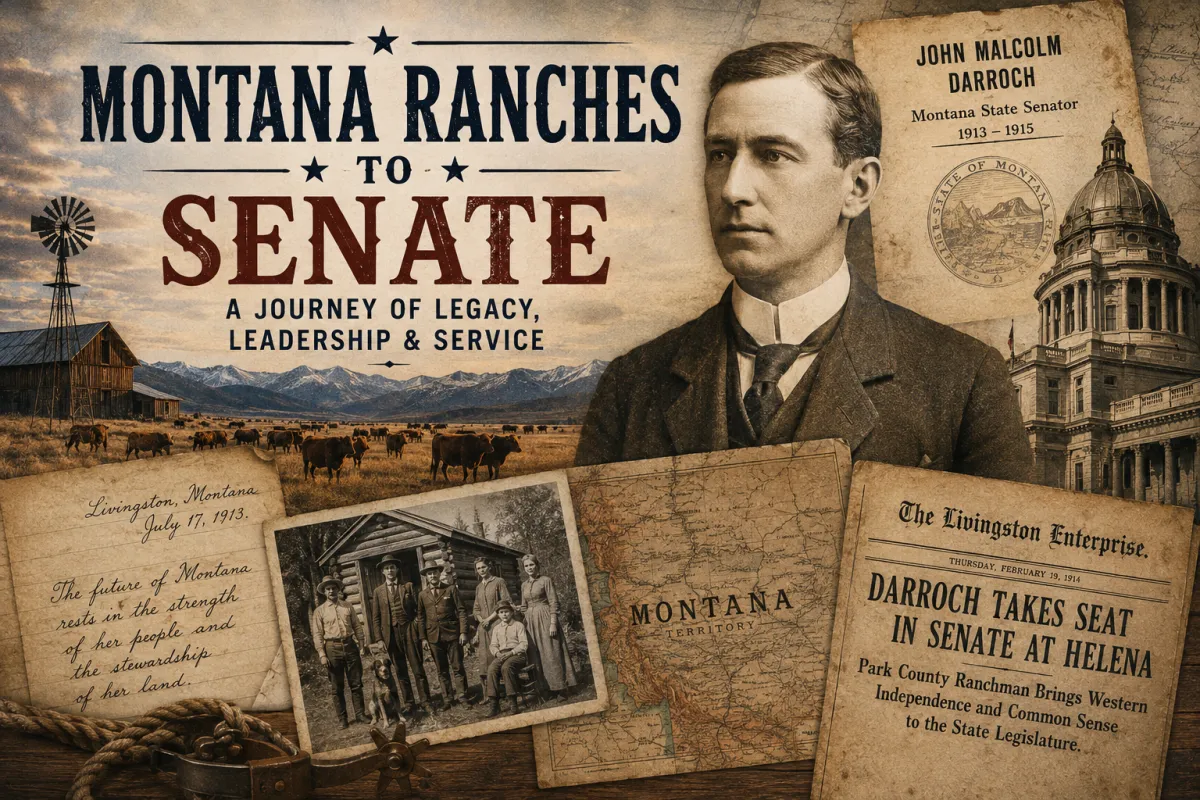
THE MONTANA SENATOR I KNEW ABOUT... AND THE STORY I DIDN’T
American West, Montana History, Ranching, Family Stories
From Montana Ranches to the State Senate
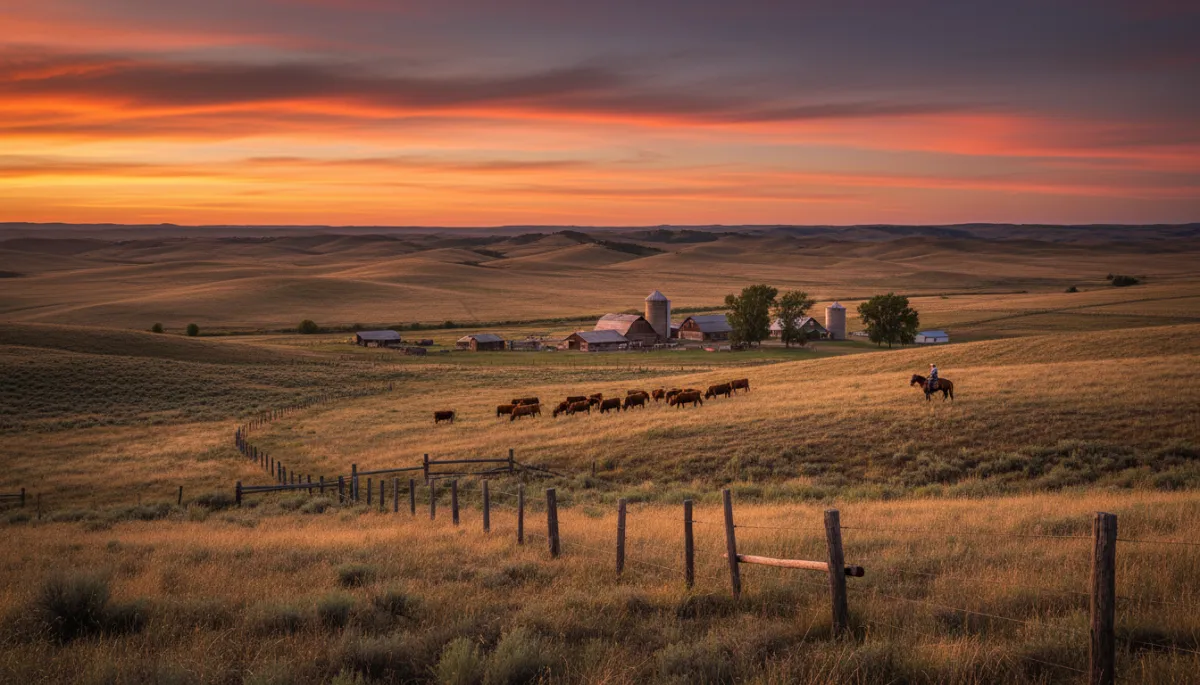
South of Livingston, where Trail Creek cuts a narrow course through the foothills and the Absaroka peaks stand watch to the east, the land opens in a series of long, grassed benches and tight draws. Wind moves constantly here, combing the bunchgrass, carrying the sound of water and the distant call of livestock. It is a landscape that asks much of the people who choose it, and in return offers a hard-won sense of belonging. It was into this demanding country that an Indiana-born man named John Malcolm Darroch set his course, and where his family’s story became part of Montana’s wider history.
A Life Built in the American West
The story begins far from Montana’s mountain light. John Malcolm Darroch was born in Rockville, Indiana, a small Midwestern town in a region of fields, rivers, and timber. Like many Americans of his generation, he came of age in a country that was still pushing westward, its railroads extending like long promises toward new ground and new chances. For thousands of families, the West represented opportunity and risk in equal measure: land if you could hold it, a living if you could make it, and a future if you could endure the distance from the places you left behind.
Darroch joined that larger migration, moving west and ultimately settling in Park County, Montana. His path mirrored that of countless others who traded familiar landscapes for unfamiliar horizons. What they shared was a willingness to step into uncertainty, to measure their days by the work of their hands and the changing seasons rather than factory whistles or city clocks. In this sense, his individual journey was both personal and emblematic: a single thread in the vast tapestry of families who reshaped the American West by deciding to call it home.
Three Thousand Head of Sheep
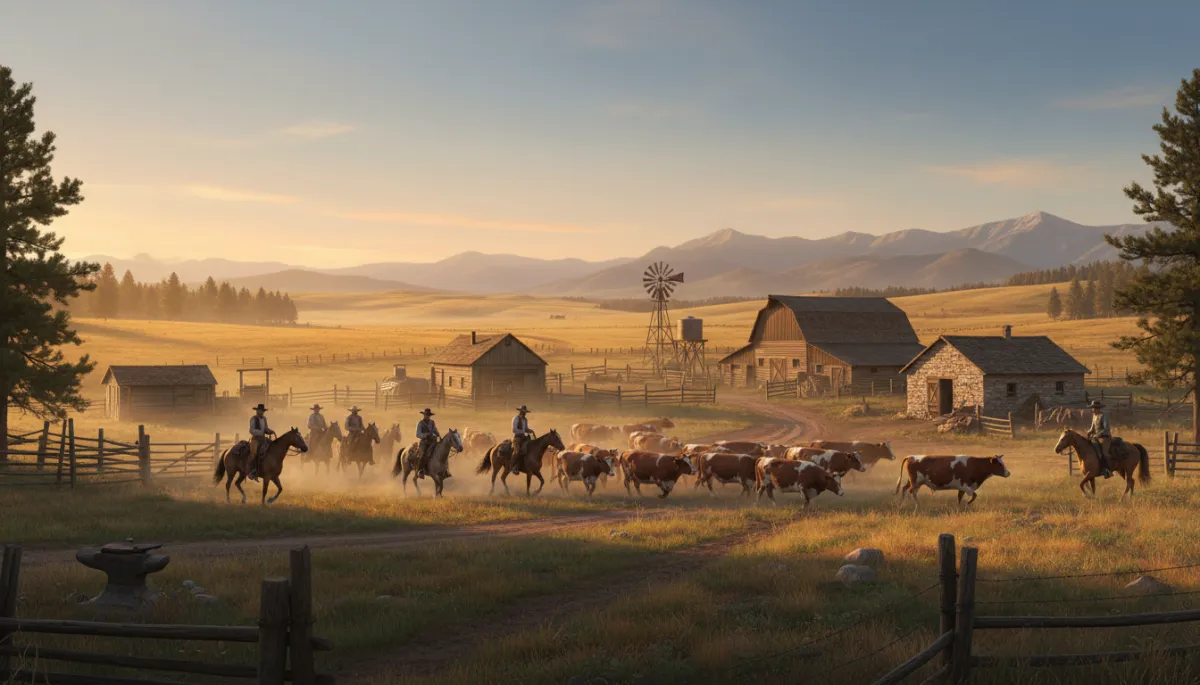
When Darroch reached Park County, he did not simply pass through. Family history remembers him becoming involved in ranching and building a substantial sheep operation. The ranch he established lay roughly seventeen miles south of Livingston on Trail Creek, a place where the grass runs high enough to carry livestock through long winters if managed with care. In the late 1800s and early 1900s, this kind of work defined much of Montana’s rural life. Days were measured in chores, lambing seasons, shearing schedules, and the steady rhythm of moving animals between summer and winter range.
Sheep ranching was both a livelihood and an enterprise. It demanded capital, labor, and an intimate understanding of the land. A flock that eventually grew to around 3,000 head represented not only economic ambition but also a deep commitment to the country that sustained it. Managing that many animals meant planning for feed, water, predators, markets, and weather that could turn in a single afternoon. It meant hiring help, maintaining fences, and keeping pace with the prices paid for wool and mutton in faraway towns and cities connected by rail and telegraph to these quiet valleys.
In Montana’s ranching communities of that era, families were central to the work. Children grew up learning the habits of livestock, the feel of a good horse, and the unwritten rules of neighborliness in sparsely settled country. The Darroch operation on Trail Creek fit into this pattern, another ranch in a network of holdings that collectively turned open land into a working landscape. Sheep grazing on the hillsides south of Livingston were not just animals on grass; they were part of an agricultural economy that helped sustain local merchants, railroad depots, and emerging institutions in town.
From the Ranch to the State Senate
As communities around Livingston and Park County grew, ranchers like John Malcolm Darroch were not only tending to their own affairs. They were also helping to shape the civic life of the region. In a young state still defining its institutions, it was common for men rooted in private enterprise to be called into public roles. Their familiarity with local needs and their stake in the land made them natural participants in county and state affairs, whether on school boards, in courthouse meetings, or in the legislature itself.
Darroch followed this path when he served as a Montana State Senator from Park County from 1913 to 1915. His time in office fell during a period when Montana was still relatively young as a state, and when questions of infrastructure, resource use, and fair representation were pressing concerns. While the record here is limited to the plain fact of his service, the broader pattern is clear: ranchers were not isolated figures at the end of dusty roads. They were woven into the public life of their counties, bringing the perspective of the range and the ranch yard into the formal halls of government.
Public Service in a Growing Montana
The transition from private enterprise to state government was not, for people like Darroch, a change in identity so much as an expansion of responsibility. The same qualities needed to build and manage a large sheep ranch—foresight, patience, a tolerance for risk, and a long view of the land—could be turned toward public questions. In early twentieth-century Montana, many legislators came from farms, ranches, and small businesses. They carried with them the everyday concerns of roads that needed grading, markets that needed access, and communities that needed schools and law enforcement.
Park County and Livingston were changing in these years, growing from frontier outposts into more settled communities. The railroad town on the Yellowstone River became a hub for travel to Yellowstone National Park and a center for trade in livestock, wool, and grain. As the town’s storefronts multiplied and its neighborhoods filled in, decisions made in Helena affected the daily lives of families along Trail Creek just as surely as they did those living on city streets. Having a rancher in the State Senate was one way the countryside ensured its voice was heard in those debates, however routine or modest they might have been.
A Family That Stayed Close to the Land
After his term ended in 1915, John Malcolm Darroch returned fully to the work that had first anchored him in Park County. He continued ranching, maintaining his connection to the land and the livestock that had defined his earlier years. This return underscores a truth about many western families: public service, when it came, was often a chapter rather than the whole book. The daily work of feeding animals, fixing fences, and watching the weather remained the steady backdrop of life, even for those who briefly stepped into higher office.
Later generations of the Darroch family stayed tied to this world. They remained connected to ranching, horses, agriculture, and the rhythms of life in and around Livingston and Park County. That continuity matters. It shows how western communities were not just built by lone individuals but sustained by families who stayed, adapted, and kept working the same ground or nearby country. Over time, such families became part of the unwritten structure of a place—neighbors people could count on, familiar names at auctions, gatherings, and local meetings.
Why the Story Survived
In an era when the American West is often remembered through sweeping legends or the names of a few famous figures, the story of a rancher from Indiana who built a sheep operation on Trail Creek and spent two years in the State Senate might seem modest. Yet it is precisely these kinds of lives that give real texture to our understanding of western history. They remind us that states were not shaped only by grand gestures, but by steady work and quiet decisions repeated over many seasons.
Preserving family history—remembering where a man was born, where he moved, what work he chose, and how his descendants remained tied to a place—helps fill in the spaces between textbook dates and public monuments. It shows how families moving west in search of opportunity did more than claim land. They raised animals, paid taxes, served in office, and sent their children to local schools. They argued over water and roads, celebrated good years, endured bad ones, and in the process, helped turn rough-edged settlements into lasting communities.
The Darroch family’s story is one of many that run through Park County and Livingston, through Montana and the broader West. A boy born in Rockville, Indiana, chose a future among the wind-swept hills south of Livingston. He built a ranch, tended thousands of sheep, answered a call to serve in the State Senate, and then returned to the work that had first brought him there. His descendants kept faith with that landscape and that way of life. The ranch, the sheep, the mountains, and the years in public office were all parts of the same story: a family putting down roots and becoming part of the place they called home.